
How Much Does a Property Really Cost When It Sits on the Market?

Selling a property can be a frustrating process. Time goes by, visits are scarce, and offers don’t arrive. But have you ever stopped to think about the real cost of a property that remains on the market?

We’re not just talking about “waiting.” Every month without a buyer brings a series of hidden expenses and lost opportunities that erode your profit. Let’s analyze the direct, indirect, and — most importantly — how to avoid them.

1. The Natural Depreciation of a Stale Listing

According to a study by the National Association of Realtors (NAR), the longer a property stays on the market, the higher the chances of receiving offers below the initial asking price.

In the Portuguese context, experts from Idealista have already pointed out that listings online for too long end up generating distrust among buyers, who assume there are hidden problems. 

This is the most dangerous cost because it isn’t immediately felt:

  • Need to lower the price: properties that sit for too long create suspicion. Buyers assume something is wrong and make lower offers.

  • Loss of market value: on average, a property that lingers 3 to 6 extra months on the market can lose 5% to 10% of its initial value.

  • Lost opportunity: the capital tied up in the property could be generating income in another investment, project, or even the purchase of a new home.

2. Hidden Financial Costs

A property that sits unsold doesn’t just cost you lost opportunities. There are monthly expenses that continue to weigh:

  • Mortgage payments: if the property has financing, every unsold month means more interest paid.

  • Condo fees: monthly dues continue, even if unused.

  • Taxes and fees: property tax (IMI in Portugal) and other recurring charges.

  • Utilities and maintenance: minimal water/electric bills plus upkeep to keep the property in good condition.

The Harvard Joint Center for Housing Studies highlights that the “opportunity cost” is often higher than the direct costs themselves. 

3. Why Some Properties Sell Fast and Others Don’t

Price matters, but it’s not the only factor. The visual presentation of the listing is decisive:

  • First image: sells or kills interest in seconds.

  • Number of photos: portals like Idealista and Imovirtual favor listings with 10+ images.

  • Visual quality: dark photos or empty properties drastically reduce contacts.

Several studies show that the first few seconds when viewing an online listing determine buyer interest. Zillow research revealed that listings with more than 15 photos receive up to 50% more contacts. 

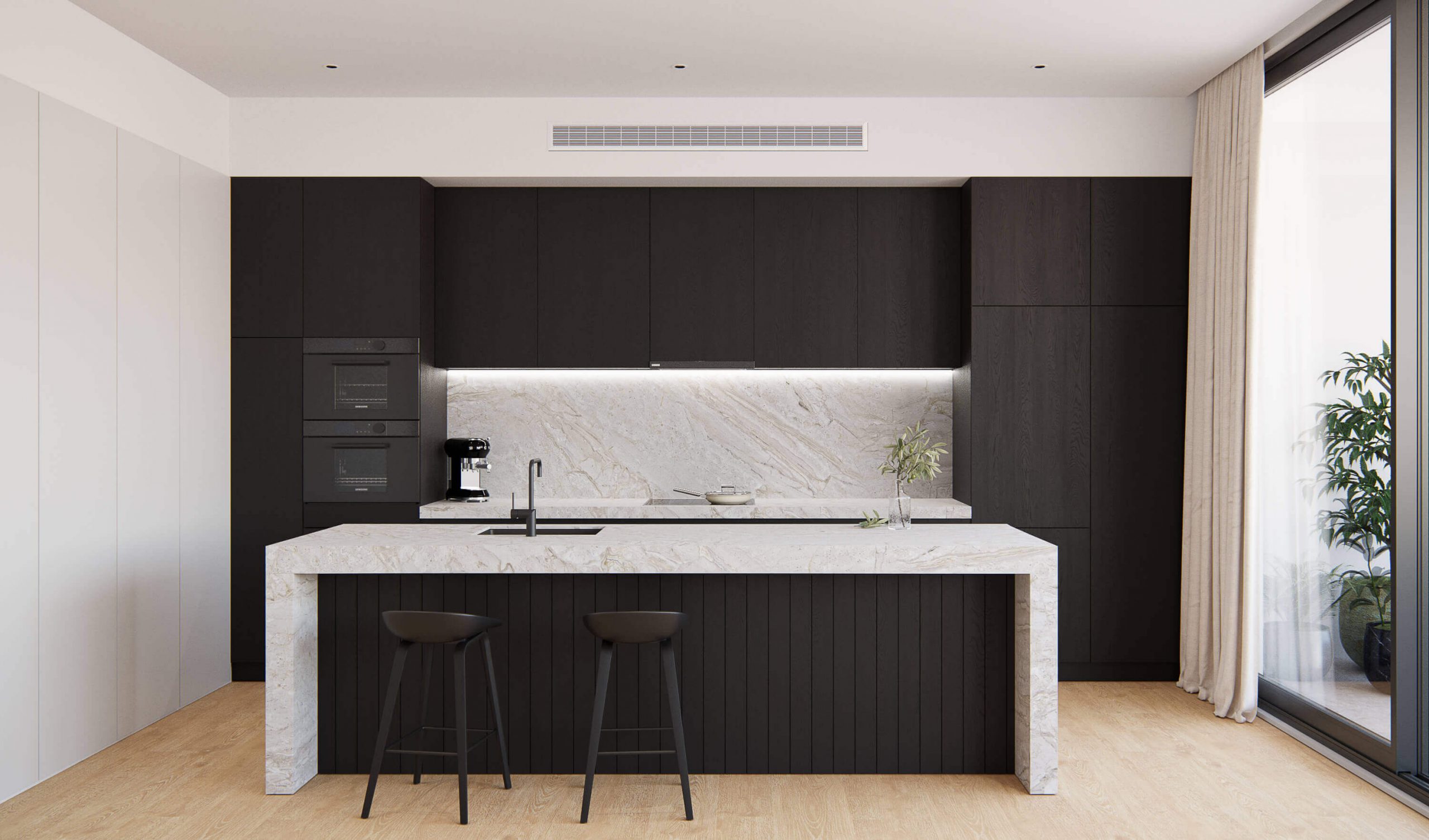
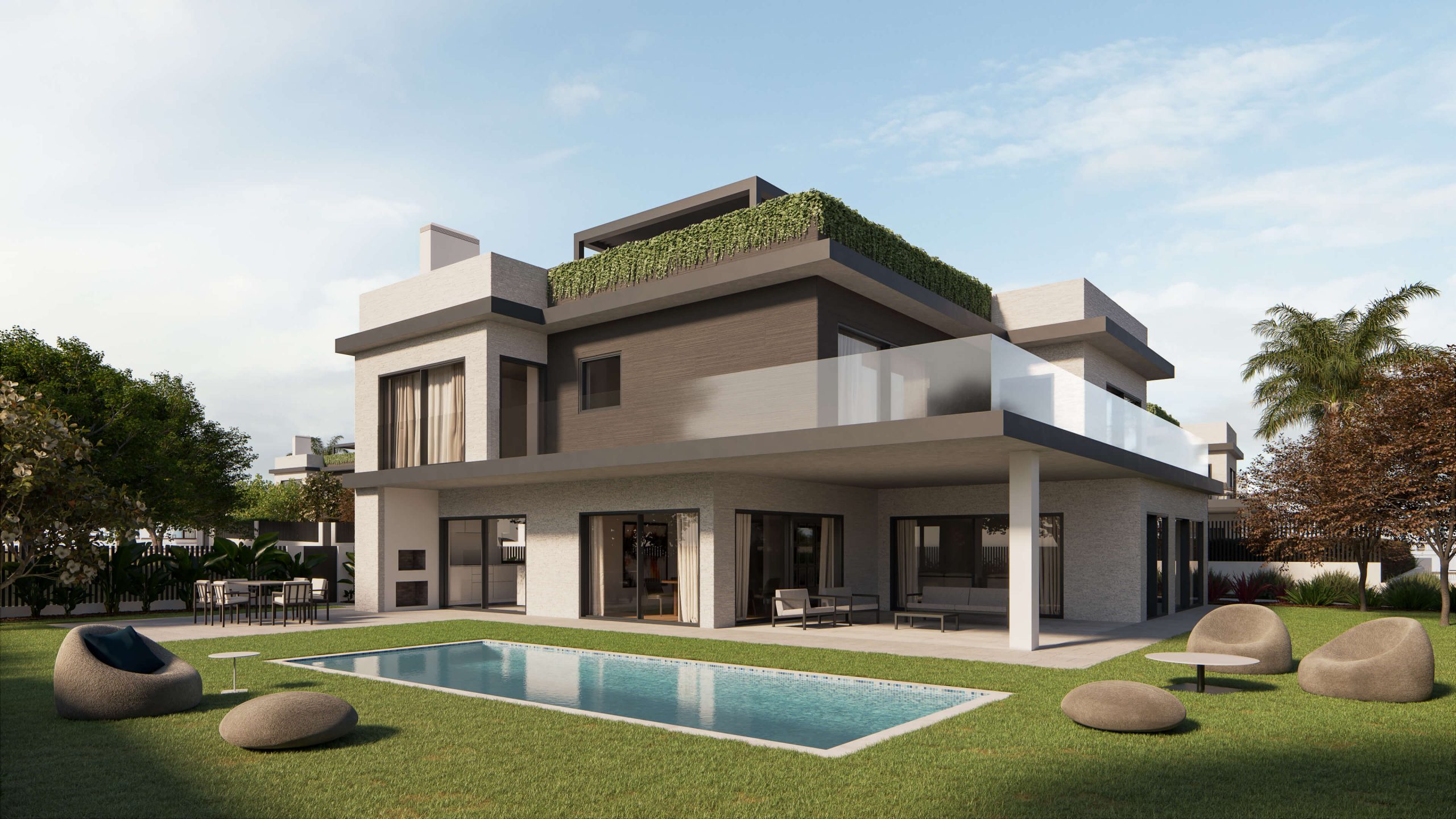
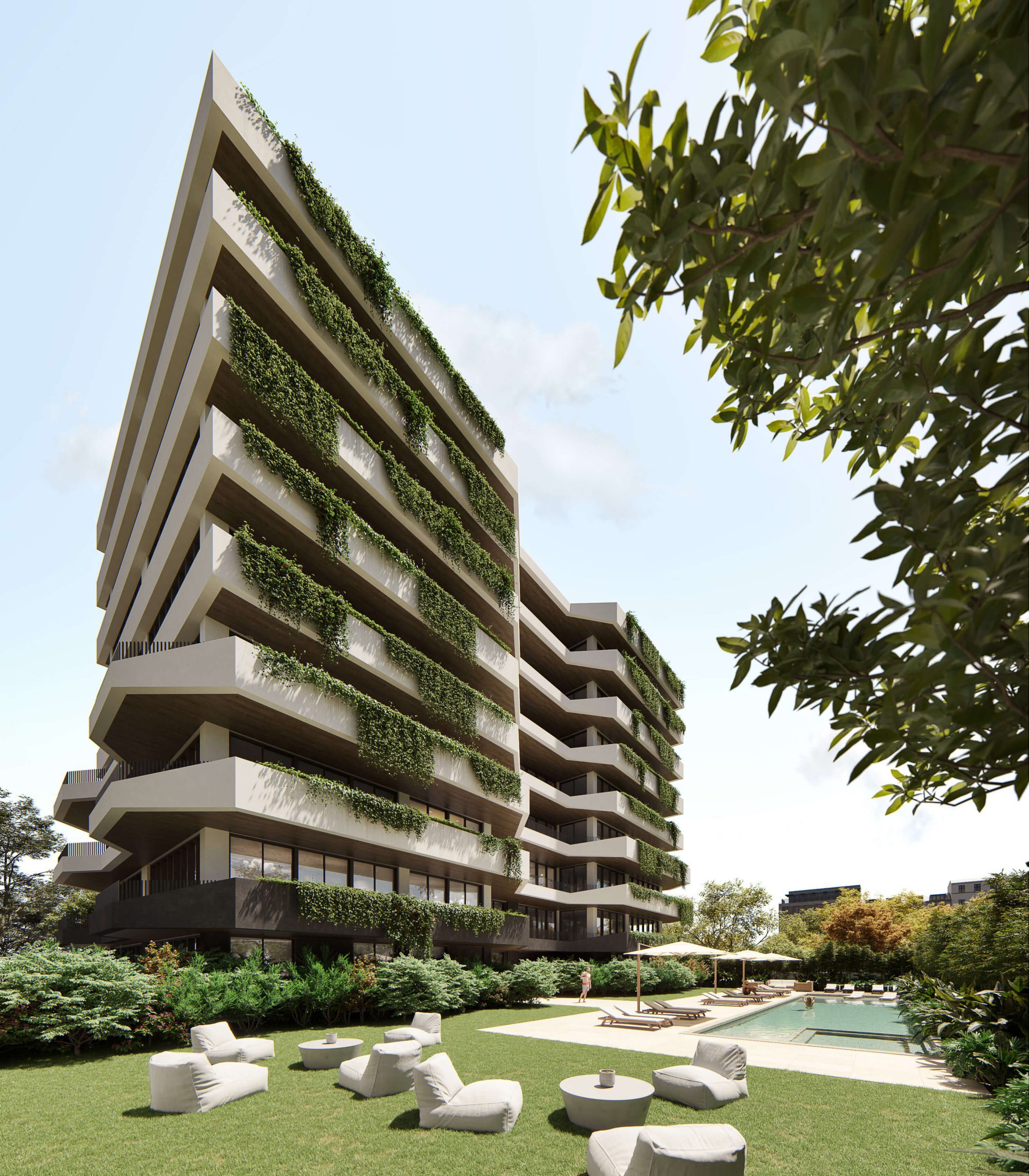
This is where the importace of investing in photorealistic 3D renders or digital home staging comes in. They allow you to showcase the property’s potential without physical staging costs and speed up buyer decisions.

4. The Solution: Sell the Experience, Not Just the Space

The key isn’t lowering the price, but increasing perceived value. This is where 3D visualization comes in:

  • Realistic renders show the potential of properties under construction, empty, or being renovated.

  • Virtual home staging creates a visual narrative that allows buyers to imagine themselves in the space.

  • 360º tours and VR increase the time buyers spend on the listing — a positive signal for portals and search engines.

Result: more contacts in less time, faster sales, and at the right price.


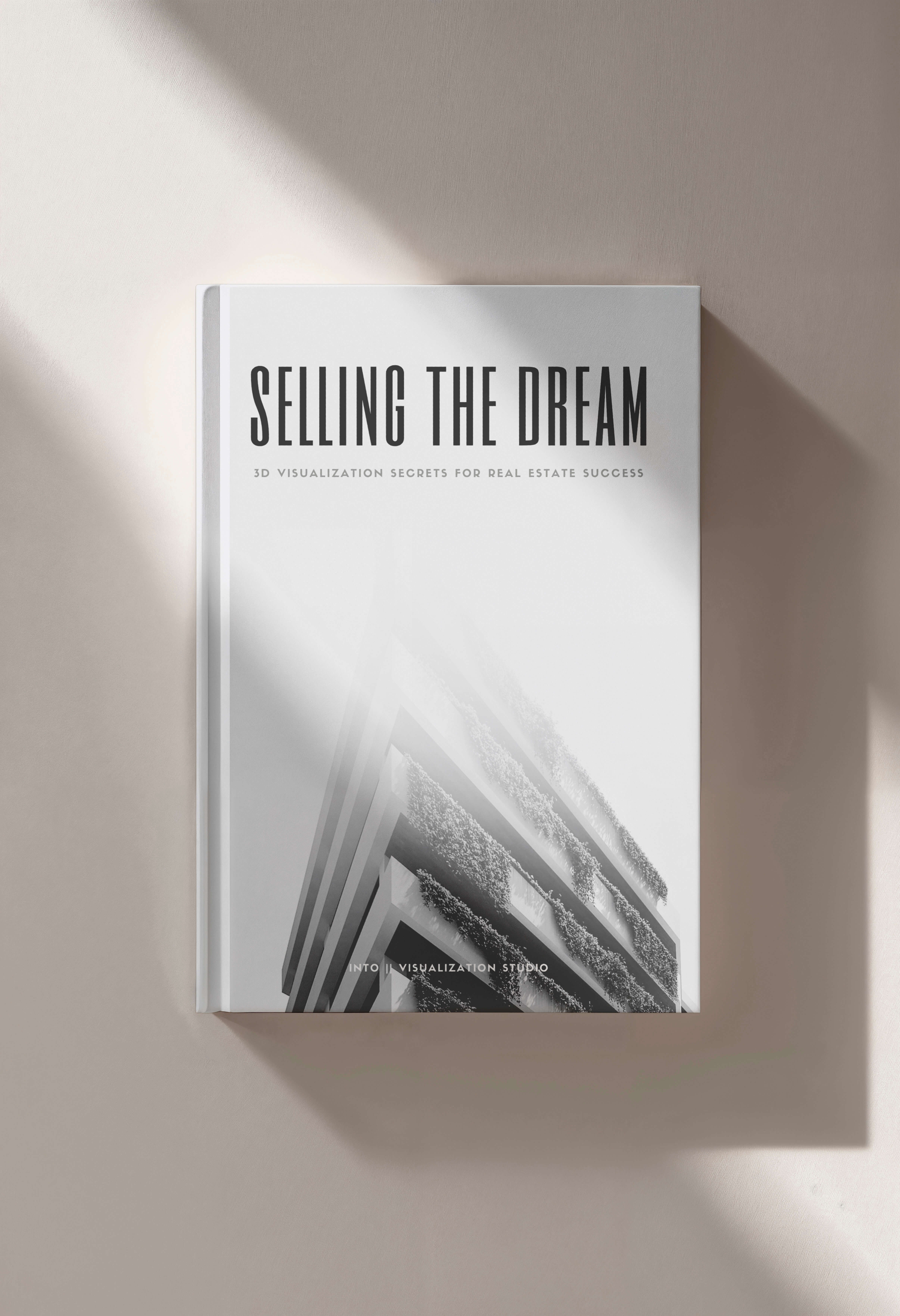
To learn more, you can download our free eBook Selling the Dream: Future of Real Estate Marketing with 3D Visualization & VR, where we explain how these techniques are transforming the real estate sector. [Free Download]


Conclusion

A stale listing is expensive — not just in money and time, but also in credibility. The solution lies in investing in a professional visual strategy that convinces buyers from the very first click.

FAQ Affortable Rendering

Frequent Questions

Yes. International studies confirm that the longer the listing, the greater the discount required to sell.

Yes, especially for empty or off-plan properties. The cost is lower than physical staging, and results are faster.

Ideally more than 15, but focusing on quality and variety (living rooms, bedrooms, architectural details).

Because buyers can visualize the final result before completion, boosting trust and interest.

Architect (Master’s in Architecture, postgraduate studies in BIM and IPD) and founder of INTO Studio, a 3D visualization studio specialized in transforming architectural and real estate projects into high-impact, photorealistic images.

Daniela Caridade Palma

Daniela Caridade Palma

Founder

Want to know more about our 3D rendering services and prices?