
Blog
Differences Between Low-Cost and High-Quality 3D Rendering: What Is More Worthwhile?
In the digital age, 3D rendering has become an essential tool for architects and real estate professionals. The ability to visualize projects in detail before construction has revolutionized how developments are presented and marketed. However, a common question arises: is it worth investing in high-quality 3D rendering, or can a more affordable option be sufficient?
This article explores the differences between low-cost and high-quality 3D renderings, emphasizing how both can be valuable in different project contexts.
Low-Cost 3D Renderings: Simplicity and Efficiency
Affordable 3D renderings don’t necessarily mean poor quality but rather a more streamlined and focused approach. These visuals are particularly effective when the goal is to communicate a project’s core concept clearly and quickly without the need for intricate details.
Key Features of Low-Cost 3D Renderings:
- HD Quality: Suitable for online displays and smaller prints.
- Limited Revisions: Fewer revision rounds, speeding up delivery and reducing costs.
- Simplified 3D Models: Less complexity in modeling, often using library assets for faster production.
- Basic Settings: Appropriate for less complex visual needs.
Advantages of Low-Cost 3D Renderings:
- Budget-Friendly: Accessible for projects with limited budgets.
- Fast Turnaround: Reduced complexity speeds up delivery.
- Sufficient for Certain Markets: Ideal for simpler project presentations.
Limitations of Low-Cost 3D Renderings:
- Lower Realism: Basic textures and details may reduce immersion.
- Reduced Flexibility: Fewer revisions and customization options.
- Unsuitable for Luxury Segments: May fail to impress high-end clients.
These renderings work well during the early stages of a project or in markets where extreme visual quality is not a deciding factor for success. They are useful for standard marketing campaigns, effectively conveying the project’s concept while keeping costs under control.
High-Quality 3D Renderings: Visual Impact and Extreme Realism
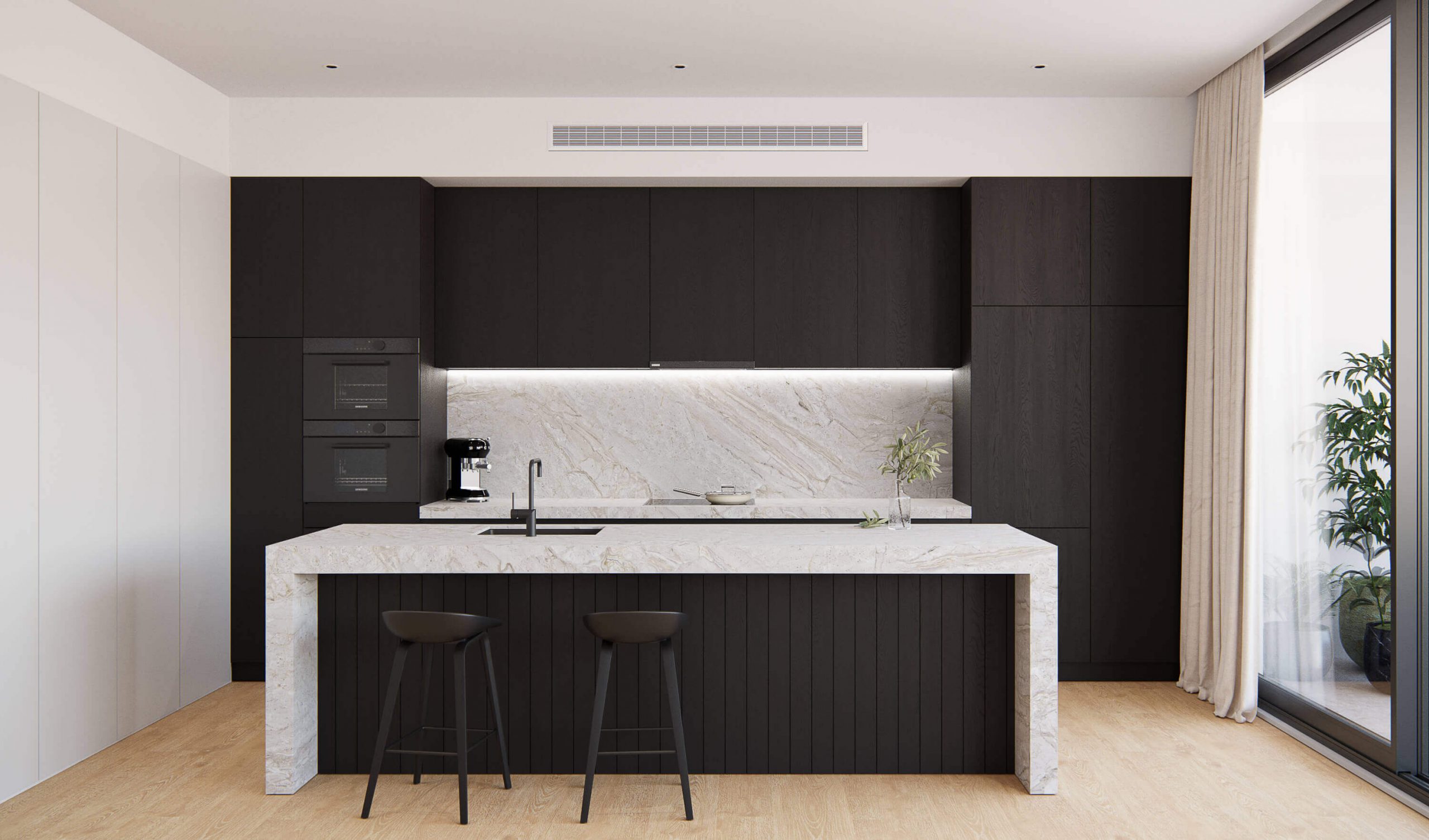
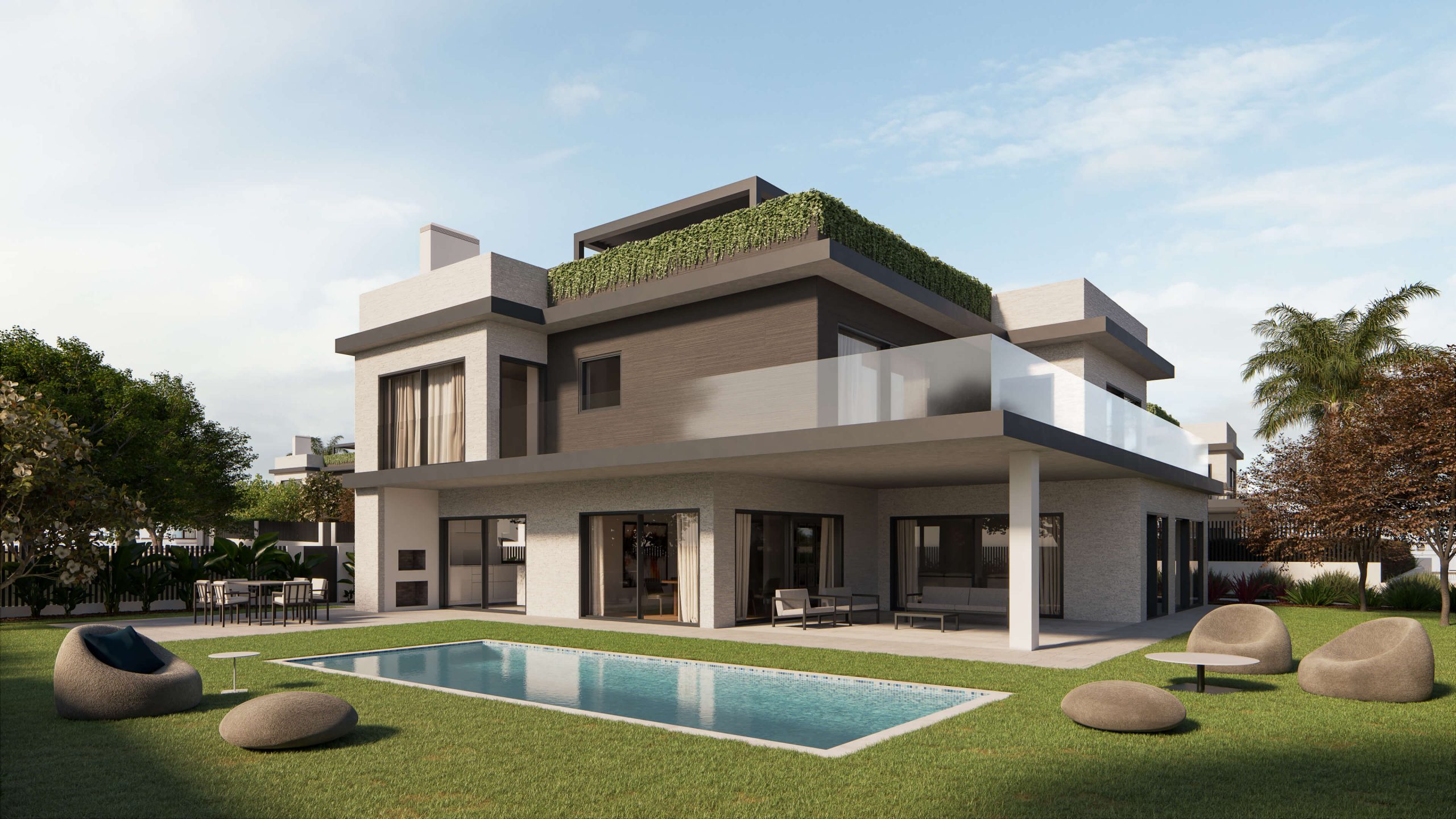
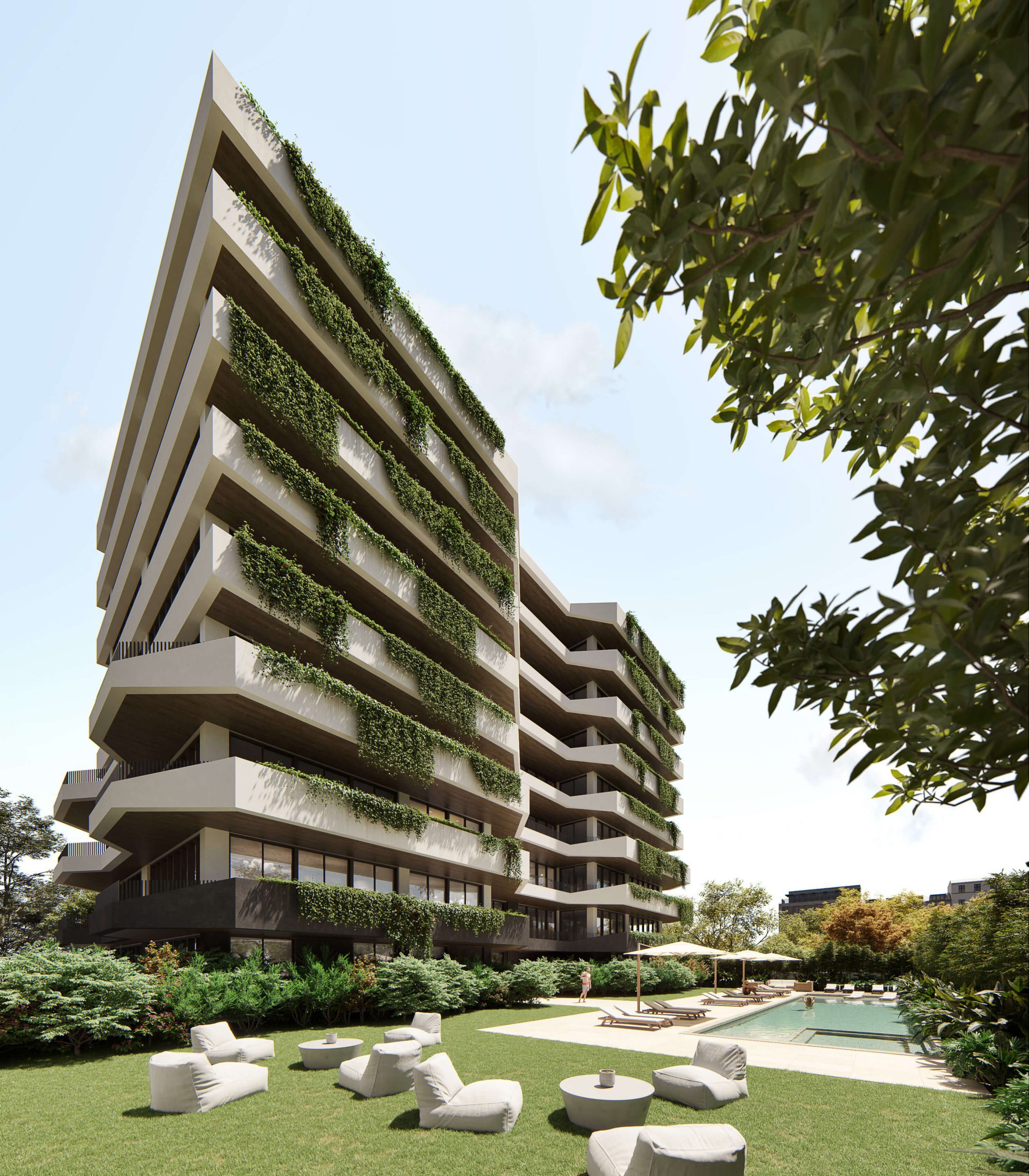
Premium 3D renderings offer superior detail, making them ideal for luxury marketing campaigns and showcasing high-end developments. These visuals capture architectural complexity with stunning realism, enhancing every detail and creating a more immersive experience.
Key Features of High-Quality 3D Renderings:
- Ultra-Realistic Details: Highly detailed representations with advanced textures, lighting, and shadows.
- High Resolution: Rendered in 4K or higher, perfect for premium marketing materials.
- Multiple Revisions: Flexibility for customization throughout the process.
- Complex Detailing: Ideal for showcasing intricate architectural designs.
- Custom Elements: Unique models and textures tailored for the project.
Advantages of High-Quality 3D Renderings:
- Visual Impact: Captivates and engages audiences powerfully.
- Precision and Detail: Every architectural element is meticulously represented.
- Creative Flexibility: Fully customizable to match project goals.
Disadvantages:
- Higher Cost: Greater investment due to time and resources required.
- Longer Production Time: Realism demands a more complex process.
How to Choose Between Low-Cost and High-Quality 3D Renderings?
The choice between affordable and high-quality 3D rendering should be based on project goals and audience expectations rather than quality alone.
- Project Requirements: Early design concepts or general ideas may be well-served with low-cost renderings. For premium launches, high-detail visuals are crucial.
- Budget and ROI: Premium renderings can enhance perceived value and accelerate sales, justifying the investment.
- Target Audience: Luxury markets and discerning clients appreciate higher-quality visuals.
- Project Complexity: The more detailed the design, the greater the need for premium rendering.
Why Both Types of 3D Renderings Are Valuable?
Both low-cost and premium 3D renderings have their place when applied to the right project context.
- Service Flexibility: Architectural visualization companies should offer both options, adapting to client needs.
- Context Relevance: Low-cost renderings are practical for early design phases, while premium images shine in high-stakes marketing presentations.
- Aligned Results: Regardless of the rendering type, the final output should effectively communicate the project’s vision.
Conclusion: What Is More Worthwhile?
The decision between low-cost and high-quality 3D renderings should be guided by the project’s goals and audience. Both approaches hold value when used correctly. Partnering with an experienced architectural visualization company ensures the chosen service fits each project phase perfectly.
By selecting the right partner, you can balance cost, quality, and visual impact, maximizing the potential of each 3D rendering and ensuring your project stands out in a competitive market.